


-

 -24%Sale
 -

 -34%Sale
 -

 -10%Sale
 -

 -32%Sale
 -

 -14%Sale
 -

 -25%Sale
 -



Managing Fluorosis with Gentle Whitening
How Whitening Helps with Fluorosis
Whitening works by brightening the surrounding tooth enamel to better match the white fluorosis spots, reducing contrast and creating a more uniform appearance. Our enamel-safe formula achieves this gradually and gently.
The Right Approach for Fluorosis
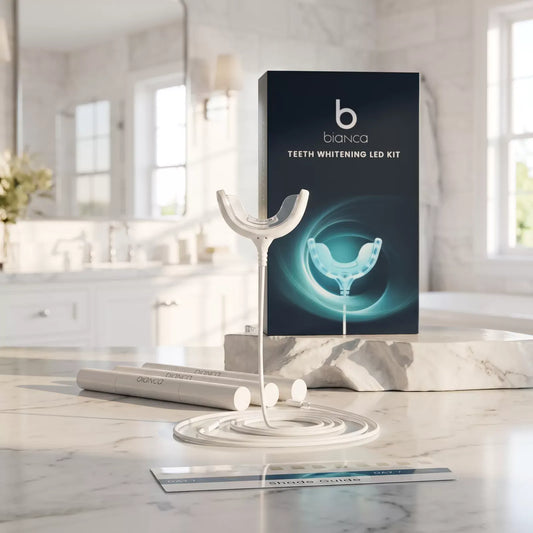
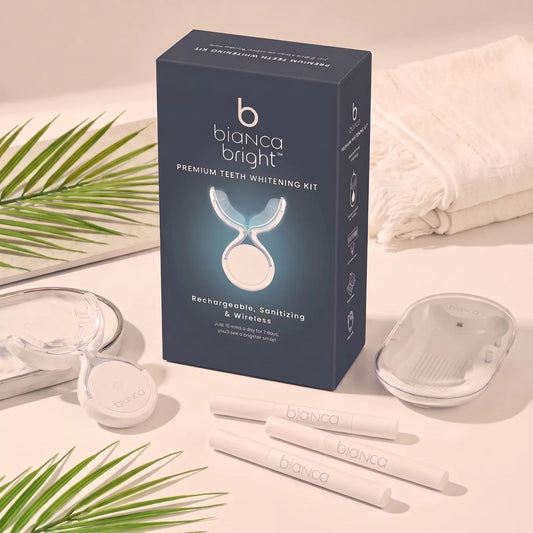
Mild to moderate fluorosis responds best to gentle, gradual whitening. Our LED whitening kit allows you to control the intensity and duration of each session. Combined with hydroxyapatite (which actually helps remineralize enamel), you're strengthening teeth while improving appearance.
Beyond Whitening: Complete Care
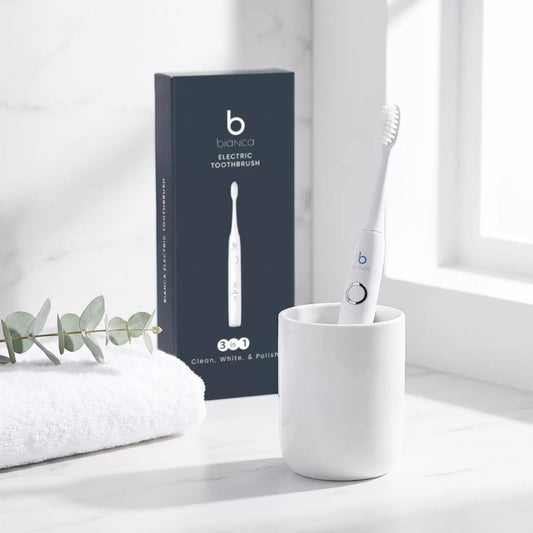
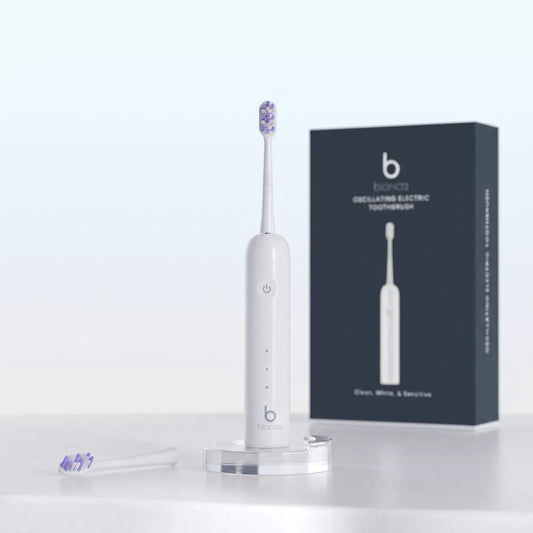
For daily maintenance, our electric toothbrush provides gentle but effective cleaning. Our natural whitening products are ideal for long-term maintenance of your more even, brighter smile.
Frequently Asked Questions
Can teeth whitening fix fluorosis?
Whitening can't remove fluorosis marks, but it can significantly reduce their visibility by brightening the surrounding enamel to match the white spots, creating a more uniform appearance.
Is it safe to whiten fluorosis-affected teeth?
Yes, with a gentle formula. Bianca Bright's enamel-safe ingredients, including hydroxyapatite for remineralization, are safe for fluorosis-affected enamel.
What level of fluorosis responds best to whitening?
Mild to moderate fluorosis (white spots or faint lines) responds well to whitening. Severe fluorosis with brown staining or pitting may require additional dental treatment.
How many whitening sessions do I need for fluorosis?
Results vary, but most users notice improved color uniformity within 7-14 daily sessions. Gradual whitening is key, don't rush the process.
Should I see a dentist about my fluorosis before whitening?
It's a good idea to have your dentist assess the severity of your fluorosis. For mild cases, at-home LED whitening is generally safe and effective.